
Introduction
You know the feeling — it’s 95 degrees out and you still have to figure out dinner somehow. Turning on the stove at that point just feels wrong, like you’d be punishing your own kitchen for the weather. That’s basically the whole reason this list exists.
I’ve spent a few summers now testing my way through heat waves, and what I ended up with is a rotation of meals that never touch a burner or an oven but still taste like you actually tried.
Twenty of them, here — protein-heavy salads, cold soups, wraps you just throw together. The goal with all of them is the same: quick, fresh, and something that doesn’t make your kitchen hotter than it already is.
Why No Cook Meals Make Sense in Summer
Beyond comfort, there’s a practical reason no cook summer meals work so well: they preserve the natural texture and nutrients of fresh produce that’s already at its peak in summer months.
In my experience creating quick family meals, the best summer dishes let ripe tomatoes, sweet corn, and juicy stone fruit do most of the flavor work — no cooking required.
There’s a practical side benefit too, honestly. Not running the stove or oven keeps the kitchen a good bit cooler, and if you’re paying attention to your energy bill during peak summer months, that adds up more than people expect.
Who Benefits Most From No Cook Meals
- Busy families wanting dinner on the table in 15 minutes flat
- Fitness enthusiasts who want fresh, high-protein meals post-workout
- Budget-conscious households using in-season produce at its cheapest
- Anyone without air conditioning trying to avoid extra kitchen heat
- Entertainers hosting summer gatherings and cookouts
20 No-Cook Summer Meal Ideas
There’s a stretch every July where I refuse to turn on the stove no matter what’s for dinner. If it needs a burner, it’s not happening.
These are the meals that get me through that stretch — some take fifteen minutes, a couple take longer if you count chilling time, but none of them ask you to stand over heat.
1. Classic Caprese Salad with Burrata
Prep: 10 min | Total: 10 min | Serves 4
You’ll need: 4 heirloom tomatoes, 8 oz burrata, a handful of fresh basil, good olive oil, balsamic glaze, flaky salt. No burrata at the store? Fresh mozzarella covers you just fine.
How it comes together: Slice the tomatoes and fan them out on a platter — don’t overthink the arrangement. Tear the burrata apart with your hands instead of slicing it; torn edges catch the oil better and honestly just look more appetizing. Scatter basil over the top, drizzle with olive oil and balsamic glaze, finish with flaky salt.
Eat this one the day you make it if you can. It’ll survive overnight in the fridge, but the tomatoes weep and things get soupy. You’re getting solid calcium from the burrata and healthy fat from the oil, which is about as much nutrition talk as a tomato-and-cheese plate needs.
Salt the tomato slices about ten minutes before plating — it pulls out the juices and somehow makes everything taste more like itself. If you want it heartier, a few folds of prosciutto turn this from starter into dinner.
2. Chilled Gazpacho
Prep: 15 min | Total: 15 min plus an hour to chill | Serves 4
You’ll need: 6 ripe tomatoes, 1 cucumber, 1 red bell pepper, a clove of garlic, 2 tbsp olive oil, 1 tbsp sherry vinegar, salt. A dash of hot sauce isn’t traditional but I won’t stop you.
How it comes together: Everything goes in the blender until smooth. Then — and this part matters — let it chill for at least an hour. Room-temperature gazpacho is a fundamentally different, worse soup. Don’t rush it.
It’ll keep about three days in a sealed container, and it’s low-calorie with a real hit of vitamin C from the raw vegetables.
Before you blend, set aside a small handful of diced cucumber and pepper to scatter on top later — gives you something to bite into instead of just sipping. Blend in a wedge or two of watermelon if you want it leaning sweet instead of savory.
3. Tuna Salad Lettuce Wraps
Canned tuna folded with Greek yogurt instead of mayo, some diced celery for crunch, a good squeeze of lemon. Spoon it into whole lettuce leaves instead of bread and you’ve got something carb-free without it feeling like a diet food.
4. Mediterranean Chickpea Salad
Chickpeas, cucumber, red onion, feta, a lemon-oregano dressing. Make this the night before if you can swing it — it’s noticeably better once everything’s had a chance to sit and get acquainted in the fridge.
5. Cold Soba Noodle Salad
Cook the soba, run it under cold water to stop the cooking, then toss with sesame oil, edamame, shredded carrot, and a soy-lime dressing. This is my go-to for packing lunches ahead of a busy week.
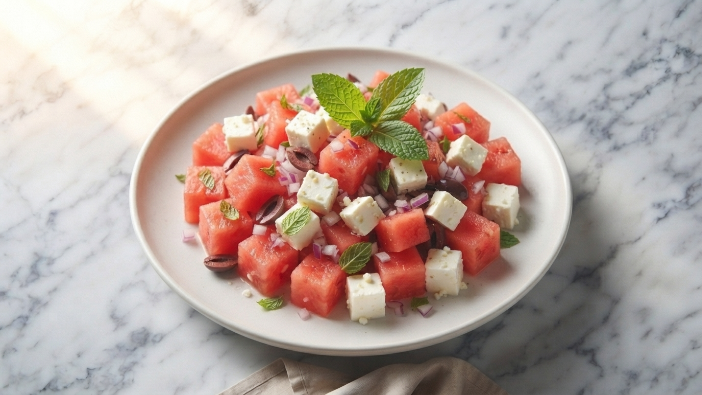
6. Watermelon Feta Salad
Cubed watermelon, crumbled feta, torn mint, a drizzle of lime and honey. It sounds like a strange pairing until the first bite, and then it just makes sense.
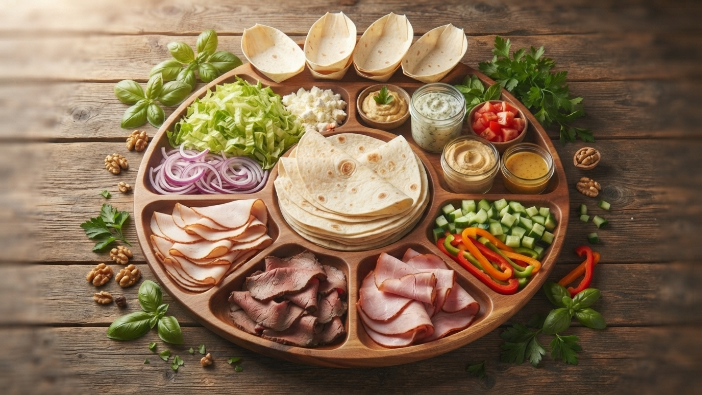
7. Deli Wrap Platter
Sliced turkey, a couple of cheeses, lettuce, a stack of whole wheat tortillas — lay it all out and let everyone build their own. This is the one dinner that never gets a single complaint from the kids’ table.
8. Shrimp Ceviche
Start with shrimp that’s already cooked, then marinate it in lime juice with red onion, cilantro, and diced avocado. The acid does all the work here — no stove required, no raw seafood risk either.
9. Cottage Cheese Bowl
Cottage cheese, halved cherry tomatoes, sliced cucumber, a shake of everything bagel seasoning, a little olive oil on top. Takes five minutes and carries way more protein than its size suggests.
10. Cold Sesame Cucumber Noodles
Spiralize a cucumber, toss it through a sesame-peanut dressing. Light, low-carb, and the kind of thing that actually feels cooling on a 95-degree evening.
11. Greek Salad with Grilled Chicken
A standard Greek salad topped with chicken you grilled a day or two earlier and kept in the fridge. All the protein, zero burners lit tonight.
12. Hummus and Veggie Platter
Hummus, warm pita if you’re feeling generous, a pile of raw vegetables. This barely qualifies as a recipe, but it comes together every single time without fail.
13. Cold Poke Bowl
Sushi-grade tuna or salmon over rice that’s been cooked and chilled ahead, with edamame, avocado, and a soy-sesame drizzle. Worth seeking out a good fish counter for this one.
14. Egg Salad Sandwiches
Boil the eggs earlier in the week, mash them with mayo, a spoon of mustard, and some chopped chives, then load it onto toast or fold it into a wrap.
15. Antipasto Salad
Salami, olives, mozzarella, roasted red peppers, and greens tossed with a simple Italian dressing. Comes together in five minutes but tastes like you put in real effort.
16. Cold Peanut Noodle Bowl
Rice noodles with shredded cabbage and carrot in a creamy peanut-lime sauce. This is the rare “healthy-ish” dinner that kids actually reach for twice.
17. Fruit and Yogurt Parfait
Layer Greek yogurt, granola, and whatever berries look good, in a glass. There’s no rule saying this has to be breakfast — it works just as well at 7 p.m.
18. Charcuterie-Style Summer Board
Cheeses, cured meats, fruit, crackers, arranged so people can pick and graze. This is what I make when I genuinely cannot commit to a “real” meal but still want the table to look like effort happened.
19. Cold Quinoa Salad
Quinoa cooked and chilled, mixed with vegetables you roasted ahead of time, feta, and a lemon vinaigrette. Holds up beautifully in the fridge, which makes it a solid option for packed lunches.
20. Smoked Salmon Bagel Plate
Bagels, cream cheese, smoked salmon, capers, thinly sliced red onion. Nothing gets cooked, and it still somehow feels like a proper meal instead of a shortcut.
Ingredient Swaps and Shopping Notes
Stick to what’s actually in season — tomatoes, corn, stone fruit, cucumbers are all cheap and taste better right now than any other time of year.
Canned tuna and chickpeas are worth keeping stocked; zero prep, and they stretch a long way. If you’re avoiding dairy, feta and burrata swap out fine for plant-based versions, and tahini works in place of yogurt in most of these dressings.
Storing Leftovers
Most of these hold up in the fridge for 2–3 days as long as they’re in something airtight. Keep dressing separate until you’re actually eating — mixed in ahead of time, most of these get soggy fast. Gazpacho’s the exception worth mentioning: it actually tastes better the next day, once it’s had time to sit.
Common Mistakes
I’ve spent years researching practical cooking techniques, and the most common mistake I see with no cook meals is under-seasoning.
Without heat to concentrate flavors, dishes need a firmer hand with salt, acid, and fresh herbs.
Another frequent issue is dressing salads too early, which wilts greens and dilutes flavor — always dress just before serving.
Real-World Example: A Family Summer Gathering
One family I spoke with hosts a weekly summer potluck where every dish must be no cook. What started as a practical solution to a kitchen without air conditioning turned into a tradition — kids help assemble wraps and fruit skewers, while adults handle chopping for salads.
The gathering takes 20 minutes to set up instead of hours of cooking, and everyone still walks away full. The takeaway: no cook doesn’t mean low effort or low flavor — it just shifts the work from the stove to the cutting board.
Expert Checklist
- Produce is fresh and in season
- Proteins are pre-cooked and chilled before assembly
- Dressings are stored separately until serving
- Dishes are seasoned generously to compensate for no heat
- Everything fits in the fridge for make-ahead convenience
Final Takeaways
No-cook summer meals are proof you don’t need a hot stove or a long grocery list to eat something decent. Once you’ve got five or six recipes you actually make on repeat, summer cooking stops feeling like a task you have to plan around.
Simple ingredients usually win anyway — a ripe tomato, decent olive oil, and five minutes is most of what you need.
FAQs
1. What counts as a no cook summer meal?
Any dish assembled without using a stove or oven — typically salads, wraps, cold soups, and platters using pre-cooked or raw ingredients.
2. Are no cook meals healthy?
Yes, many no cook summer meals are naturally lower in added fats since there’s no frying or sautéing involved.
3. Can I meal prep no cook summer meals?
Absolutely — most keep for 2–3 days when stored properly, making them ideal for weekly prep.
What proteins work best for no-cook meals?
Canned tuna, rotisserie chicken you picked up already cooked, boiled eggs, deli meat, cottage cheese — basically anything that’s already done the cooking for you. Rotisserie chicken especially is a bit of a cheat code here.
How do I keep no-cook meals from getting soggy?
Keep the dressing on the side and toss it in right before you eat, not before. Five minutes sitting in dressing and lettuce turns to mush.
Are no-cook meals good for kids?
Honestly yes, especially the build-your-own kind — wraps, hummus platters, that sort of thing. Kids are way more likely to eat something they got to assemble themselves.
What’s a good no-cook meal for one person?
A cottage cheese bowl or a tuna lettuce wrap. Both take under 10 minutes, and you’re not stuck with a fridge full of half-used ingredients after.
Can no-cook meals be budget-friendly?
Definitely — beans, canned proteins, whatever produce is in season. Summer especially, this stuff is some of the cheapest food you can put together.